
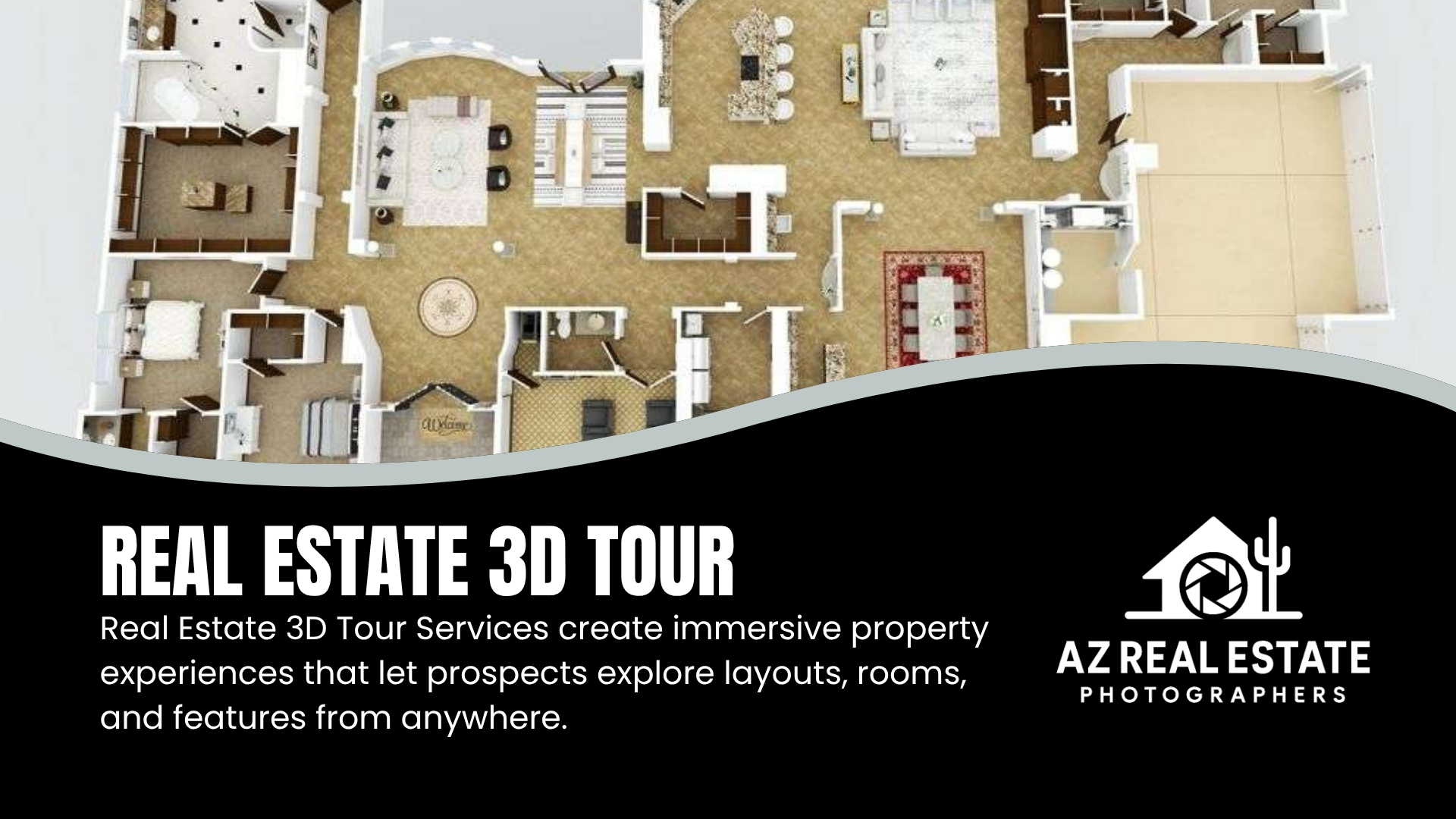
A 3D virtual tour lets buyers walk through a listing online exactly as they would in person – moving room to room, looking up at ceilings, checking sightlines, and getting a real sense of layout before ever driving to the property. For Phoenix sellers and agents, this matters because it pre-qualifies buyer interest: the people who show up for a private showing after viewing a real estate 3D tour services in Phoenix, AZ are further along in their decision and more likely to make an offer. Below is a breakdown of how 3D tours actually affect a sale, which listings benefit most, and how to know if your property needs one.
Why Buyers Behave Differently When a 3D Tour Is Available
Most home searches now start online, and buyers scroll past static photos quickly if a listing doesn’t hold their attention. A 3D tour changes the browsing experience from passive scrolling to active exploration. Instead of guessing how a kitchen connects to a dining room from a handful of photo angles, a buyer can move through the space themselves and answer their own questions – is the primary bedroom really that far from the kids’ rooms, does the backyard get afternoon shade, is there room for a home office?
This self-directed exploration does two things for a seller. First, it keeps buyers engaged with the listing longer, which search platforms and MLS systems often reward with more visibility. Second, it filters out buyers who wouldn’t have been a fit anyway. Someone who tours a home in 3D and decides the floor plan doesn’t work for them was never going to make an offer – but now they’ve reached that conclusion without taking up a showing slot. The buyers who do request a showing after a real estate 3D Tour tend to arrive with fewer surprises and fewer reasons to walk away.
The Specific Ways a 3D Tour Speeds Up a Sale
Every showing costs an agent and seller time – staging the home, clearing the schedule, and resetting afterward. When buyers can rule properties in or out using a 3D tour first, the showings that do happen are with people who are genuinely interested. Agents who list properties with 3D tours often report that in-person showings convert to offers at a higher rate, simply because the buyer has already done the mental work of picturing themselves in the space.
Wider Reach for Out-of-Area and Relocation Buyers
Phoenix attracts a steady stream of relocation buyers – people moving for work, retirees, and investors who may not be able to view a property in person before making a decision. A 3D tour lets these buyers assess a home with the same level of detail as a local buyer would get from a walkthrough. For sellers, this widens the buyer pool beyond people who can physically visit during the listing period, which matters in a market where timing and days-on-market affect negotiating leverage.
Stronger First Impression Than Photos Alone
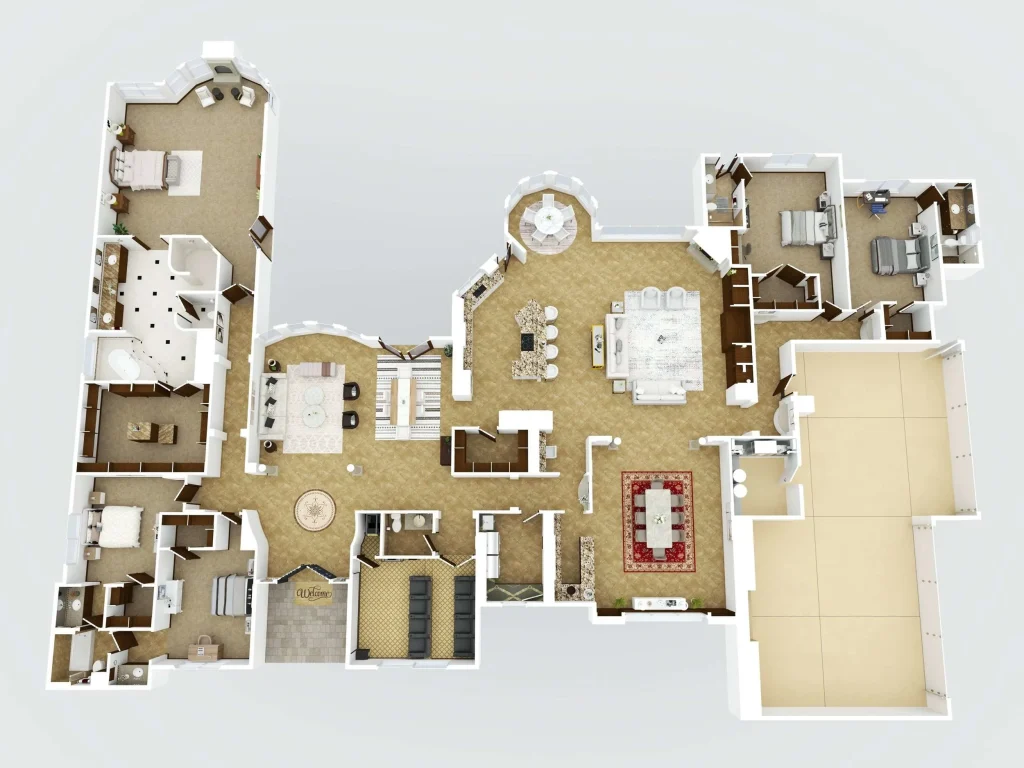
Photos show a room from one angle at a time. A 3D tour shows how rooms connect, how light moves through a space over the course of a walkthrough, and how the overall square footage feels in practice. This is particularly useful for homes with less conventional layouts – split floor plans, casitas, or homes with additions – where photos alone can leave buyers uncertain about how the spaces relate to each other. Removing that uncertainty before a showing reduces the chance a buyer arrives, feels confused by the layout, and loses interest on the spot.
Signals a Serious, Well-Marketed Listing
Buyers and agents both associate a 3D tour with a listing that’s been marketed thoroughly. Whether or not that association is fair, it shapes first impressions – a listing with a 3D tour, professional photos, and a clean presentation reads as more move-in ready and more seriously priced than one with a handful of phone photos, even if the homes are comparable.
Which Phoenix Listings Benefit Most From a 3D Tour
Not every property needs one, and a 3D tour is not a substitute for good photography or pricing strategy. It’s most valuable in a few specific situations.
Larger or higher-priced homes. Buyers shopping in a higher price range typically expect more thorough marketing, and the cost of a 3D tour is proportionally smaller relative to the transaction. Luxury listings, in particular, benefit from letting buyers explore primary suites, outdoor living spaces, and secondary structures like casitas or guest houses at their own pace.
Properties with unusual or complex layouts. Split-level homes, homes with additions, or properties where the flow between rooms isn’t obvious from photos benefit from a format that lets buyers move through the space and understand it spatially.
Listings targeting relocation or investment buyers. If a property is likely to attract buyers who can’t easily visit in person – out-of-state buyers, military relocations, or investors evaluating multiple properties remotely – a 3D tour does a lot of the work a private showing would otherwise need to do.
Vacant homes. Empty rooms can be harder for buyers to judge in photos alone since there’s nothing to establish scale. A 3D tour, especially paired with virtual staging, helps buyers understand room dimensions and proportions more accurately than a single wide-angle photo.
Commercial and investment properties. Buyers evaluating commercial space or multi-unit properties often need to assess layout and flow for business use – foot traffic patterns in a retail space, or unit layouts in a multifamily property – which a 3D walkthrough communicates more clearly than a photo set.
Smaller starter homes or condos in fast-moving price brackets don’t always need a 3D tour to sell quickly, but many sellers still choose one because it reduces low-quality showings and speeds up buyer decision-making regardless of price point.
How Buyers and Agents Actually Use a 3D Tour During a Sale
A 3D tour isn’t just a marketing add-on that sits on a listing page unused. In practice, it gets used at a few distinct points in the buying process:
- Initial screening, when a buyer is deciding which of several listings to request a showing for.
- Sharing with a spouse, family member, or partner who can’t attend the in-person showing but needs to weigh in on the decision.
- Second-look review, after an in-person showing, when a buyer wants to double-check a detail – room dimensions, closet space, or how a specific corner of the kitchen looked – before writing an offer.
- Out-of-town buyer decision-making, when the 3D tour functions as the primary way the buyer experiences the home before submitting an offer contingent on a later in-person or inspector visit.
This last point is worth expanding on. Phoenix’s relocation market means it’s common for an offer to be made, at least in part, based on a virtual walkthrough – with the buyer’s actual first in-person visit happening closer to closing. A thorough, well-captured 3D tour reduces the chance that a buyer is surprised by something once they do arrive, which lowers the risk of a deal falling apart late in the process.
What Makes a 3D Tour Effective (Not Just Present)
Simply having a 3D tour link on a listing doesn’t guarantee the benefits above – the quality and completeness of the capture matters.
Full property coverage. A tour that skips the garage, backyard, or a bedroom leaves buyers with the same gaps a limited photo set would. Buyers notice when a walkthrough feels incomplete, and it can raise questions about what wasn’t shown.
Accurate lighting and color. A tour captured with inconsistent lighting between rooms, or with unnatural color casts, undercuts the sense of realism that makes 3D tours effective in the first place.
Clean, decluttered spaces before the scan. Because a 3D tour captures everything in a room, clutter, personal items, or unmade beds are more noticeable than they might be in a cropped photo. Preparing a home for a 3D tour follows many of the same principles as preparing for photography – declutter surfaces, turn on all lights, open blinds, and remove pets and personal items from view – but with extra attention to every corner of the room, since the scan captures a full 360-degree view rather than a single framed shot.
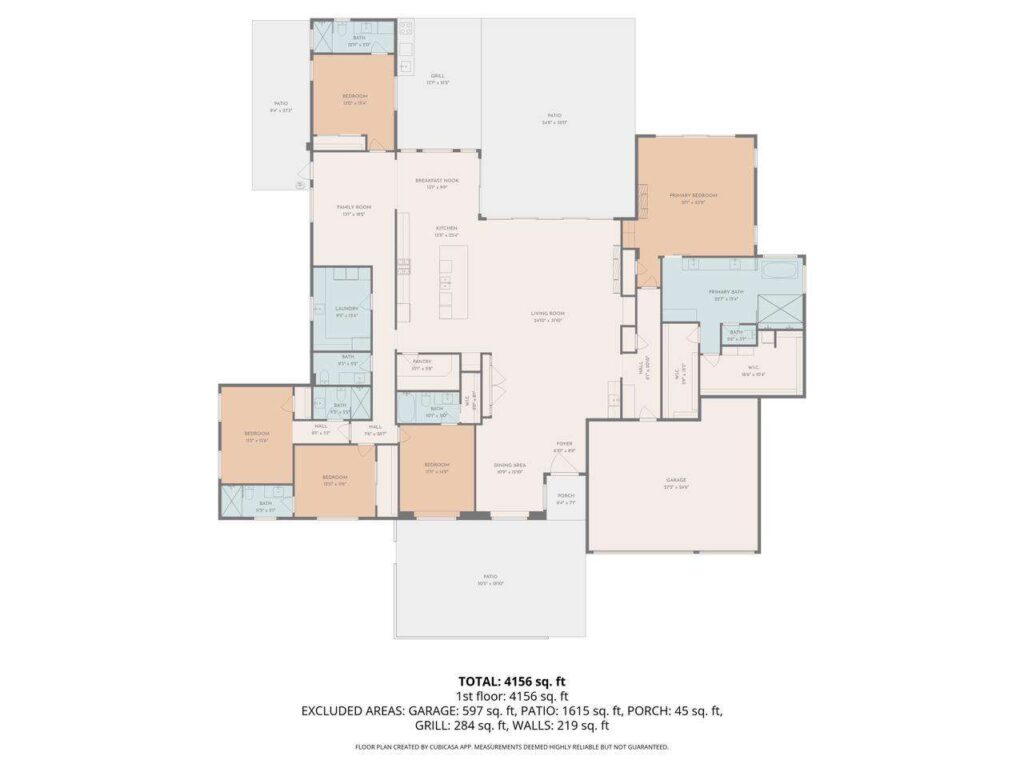
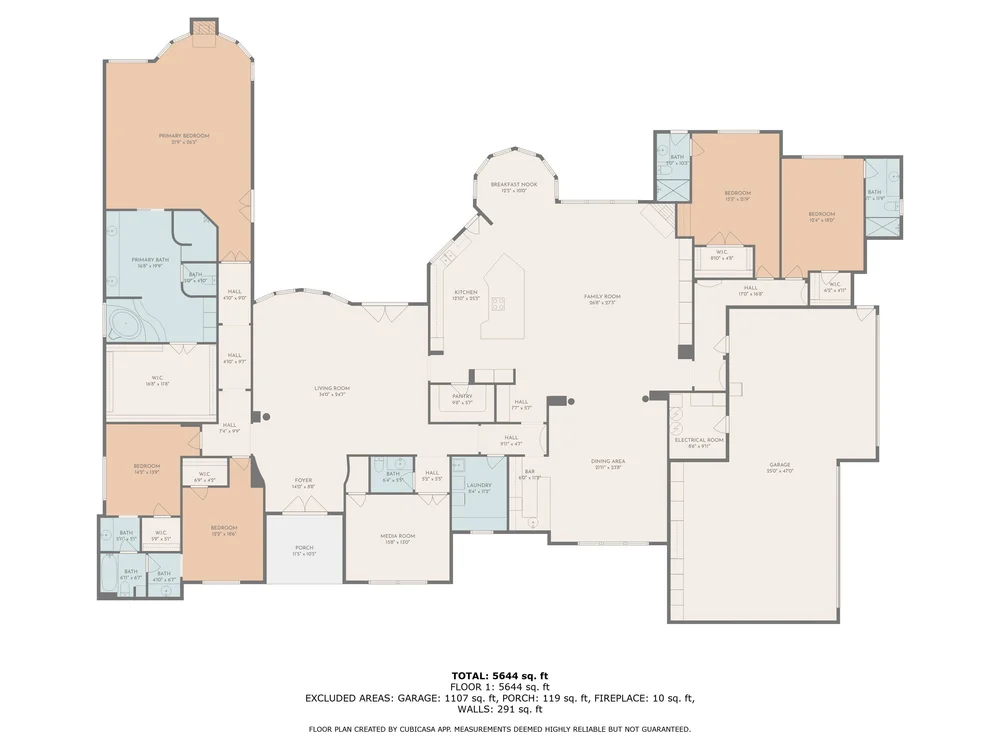
A stable, correctly measured floor plan. Many 3D tour platforms, including Matterport, generate an automatic floor plan alongside the walkthrough. This adds real value for buyers comparing square footage and room proportions, but only if the scan was done thoroughly enough to produce an accurate plan.
When a 3D Tour Isn’t the Right Fit
There are situations where a 3D tour adds less value than other marketing investments. A property under contract quickly due to extremely low inventory in its price range may sell before the added visibility matters much. Homes that are about to undergo renovation or staging changes may be better served by waiting until the space is camera-ready, since an outdated tour can undercut buyer confidence if the listing photos and tour don’t match reality. And in every case, a 3D tour works best as one part of a complete marketing package – alongside professional photography, an accurate listing description, and correct pricing – rather than a stand-alone fix for a listing that isn’t otherwise well presented.
Bottom Line
A 3D virtual tour doesn’t replace a private showing, but it changes who shows up to one. Buyers arrive more informed, more decisive, and further along in their evaluation of the property, which shortens the path from listing to offer. For Phoenix listings – particularly higher-value homes, properties with complex layouts, vacant homes, and listings likely to attract relocation or investment buyers – a well-executed 3D tour is one of the more direct ways to reduce wasted showings and speed up a sale.
Conclusion
A 3D virtual tour changes the way buyers evaluate a Phoenix listing before they ever request a showing – filtering out poor fits, building confidence for relocation and investment buyers, and giving serious buyers enough information to move toward an offer faster. It works best on larger, higher-value, or layout-complex properties, and its impact depends heavily on how thoroughly the scan is done. If you’re weighing whether your listing needs one, Real Estate Photographers LLC can walk you through what a tour would look like for your specific property – call (928) 710-1646.
FAQs
Does a 3D virtual tour actually help a home sell faster, or is it just a nice-to-have?
It depends on the property, but for most listings it reduces the number of showings that go nowhere, since buyers can rule a home in or out before scheduling an in-person visit. This tends to shorten the overall time between listing and accepted offer, particularly for higher-priced or out-of-area buyer segments.
How long does a 3D tour stay useful once it’s published?
A 3D tour reflects the home exactly as it was scanned, so it stays accurate as long as the property’s condition and staging don’t change. If a home is re-staged, renovated, or the furniture changes significantly, the tour should be updated so it matches what buyers will actually see at a showing.
Do I need to declutter and stage before a 3D scan the same way I would for photos?
Yes, and often more thoroughly. Because a 3D scan captures a full 360-degree view of each room rather than a single framed angle, clutter or personal items that might be cropped out of a photo will still be visible in the walkthrough. Clearing counters, closets left visible in shots, and personal items ahead of the scan makes a meaningful difference in how polished the final tour looks.
Is a 3D tour worth it for a smaller or lower-priced home?
It can be, though the return is generally more pronounced on larger or higher-priced listings and properties with more complex layouts. For a straightforward, competitively priced starter home in a fast-moving segment, a 3D tour is still useful for filtering serious buyers, but it may matter less to the overall timeline than it would for a home that needs more explanation to sell itself.
Can buyers make an offer based on a 3D tour alone?
It happens, particularly with relocation and investment buyers who can’t visit in person before submitting an offer. In these cases, most offers are still made contingent on a later in-person walkthrough or inspection, but the 3D tour is often what gives the buyer enough confidence to make an offer in the first place.