In the present cutthroat Real Estate Videography Paradise Valley market, the need for visuals has become paramount. Purchasers do not simply take the images or the descriptions at their face value to judge a property; instead, they want such experiences that make it possible for them to see themselves living there without actually going inside. The use of video in real estate has become a great resource for the trio comprising agents, brokers, and property owners to present their listings in an interesting and lively way; to put it briefly, the use of video boosted by the techniques of storytelling, cinematography, and marketing strategy makes the presentations of properties more attractive which, in turn, creates a more powerful engagement with the target customers.
Real Estate Videos Prove Their Worth in Real Estate Transactions
Video can capture our attention like photos cannot. A professionally produced real estate video showcases the flow and atmosphere of a property as well as the lifestyle benefits it provides. Video provides context–showing how spaces connect, natural light changes throughout the day and how natural lighting changes in relation to these connections; buyers gain an authentic sense of scale and design, which fosters trust while diminishing uncertainty; studies consistently demonstrate this effect by showing more inquiries and selling faster for listings with videos than without them.
Storytelling through Videography
Real estate videography is a must to be more than just the basic house tour footage of the rooms. The use of a luxury home drone shots with an opulent soundtrack and ultra-smooth edits to highlight the chic vibes is one way of telling stories through real estate videos, whereas another, family homes, may be resplendent with the warmth of glow-in-the-dark-lit, untidy-style, lifestyle clips and the spoken-word of the community and coziness. Making connections through storytelling helps buyers to picture themselves being there, thus resulting in purchase decisions, most of the time!
Enhance Real Estate Videos with these Methods
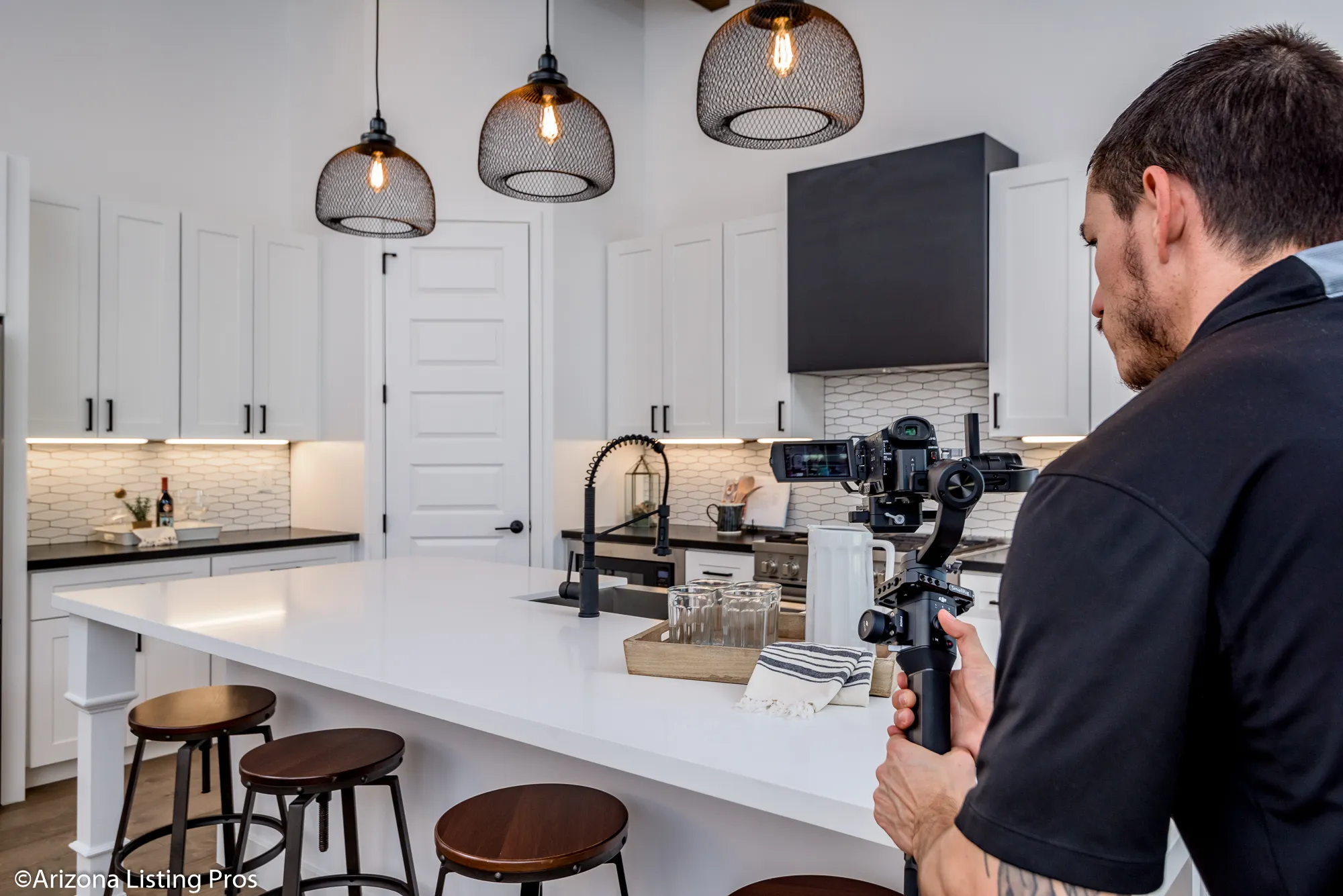
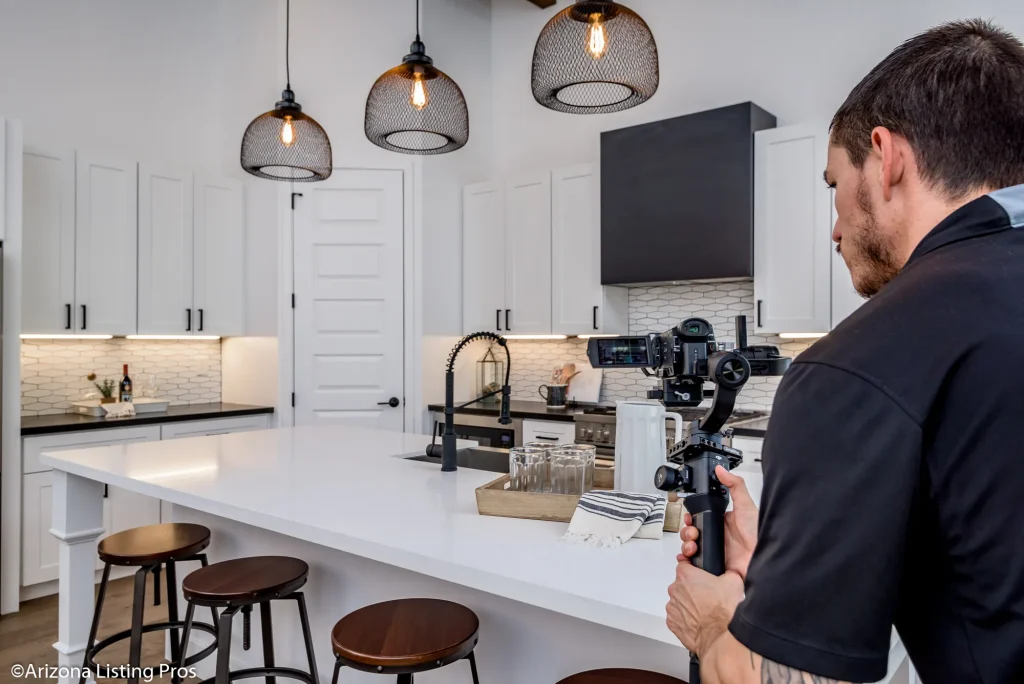
There are different strategies that professional videographers use in order to show off real estate videos. A drone shot is one of them, offering stunning views from a bird’s-eye perspective of a neighborhood, the greenery around it, and the property size in general; a smooth gimbal shot can be used for a short but uninterrupted tour of a house; time-lapse sequences add drama to the footage; and the rest of the tricks like color grading, sound design, and motion graphics are there for the finishing touch and to give the whole idea a more professional feel.
Advantages for Real Estate Agents and Sellers
Videography is a tool in the hands of an agent that can do wonders for their marketing strategy. It allows their listings to be noticed in places where there is a crowd of the same, helps to gain trust, and shows that the latest marketing methods are being used. The sellers are in a winning position because a video creates more exposure, gets attracting of serious buyers quickly, and is most likely to result in sales made fast at a higher price. Besides, this material can be utilized again on different platforms–websites, social media accounts, email marketing campaigns, virtual tours–thus, the reach and return on investment are maximized.
Meeting Buyer Expectations
Today’s buyers are digitally-savvy consumers who expect engaging and high-quality content when searching for properties online. Videos often serve as their first impression, and answering any pre-showing queries quickly saves both buyers and agent’s time; plus, it allows buyers from faraway areas to explore in person more efficiently than otherwise possible. By meeting buyer expectations, real estate professionals establish themselves as forward-thinking client client-focused professionals.
Social Media Platforms have had an exponential effect on real estate videography. Small clips optimized for Instagram, TikTok or Facebook can generate buzz and draw potential buyers directly to full property tours. YouTube serves as an essential search engine for such videos, while LinkedIn gives agents a forum in which to demonstrate professionalism. Video content can easily reach thousands of potential buyers organically – meaning just one video may reach hundreds or even thousands.
Cost and Investment Considerations
Professional videography requires an upfront investment, yet its rewards are considerable. Costs will depend on property size, complexity and production quality; most agents find that increased visibility and faster sales justify the expense. When it comes to selling expensive properties, videography is seen as a must-have rather than an optional feature, whereas a good video can simply help to highlight the listings of small houses.
Next-gen Real Estate Videography
The use of immersive technologies like virtual reality tours, 360-degree videos, and interactive floor plans will be at the core of property marketing soon. As technology develops further, buyers will expect even more engaging and realistic experiences; real estate videography will continue to adapt by merging traditional cinematic techniques with cutting-edge digital tools to produce captivating property showcases.
Real estate videography is more than a trend; it is an innovative method for property marketing. By blending storytelling, professional techniques, and digital distribution together with video, this method for property promotion creates strong emotional ties between buyers and properties – creating meaningful connections between them that help agents and sellers stand out in a highly competitive market and achieve faster, more lucrative sales. Real estate agents who embrace videography gain a competitive edge, attract more qualified leads faster, and achieve faster, more lucrative sales – video ensures every property is showcased at its absolute best for presentation – unlike print media, which just provides superficial impressions.
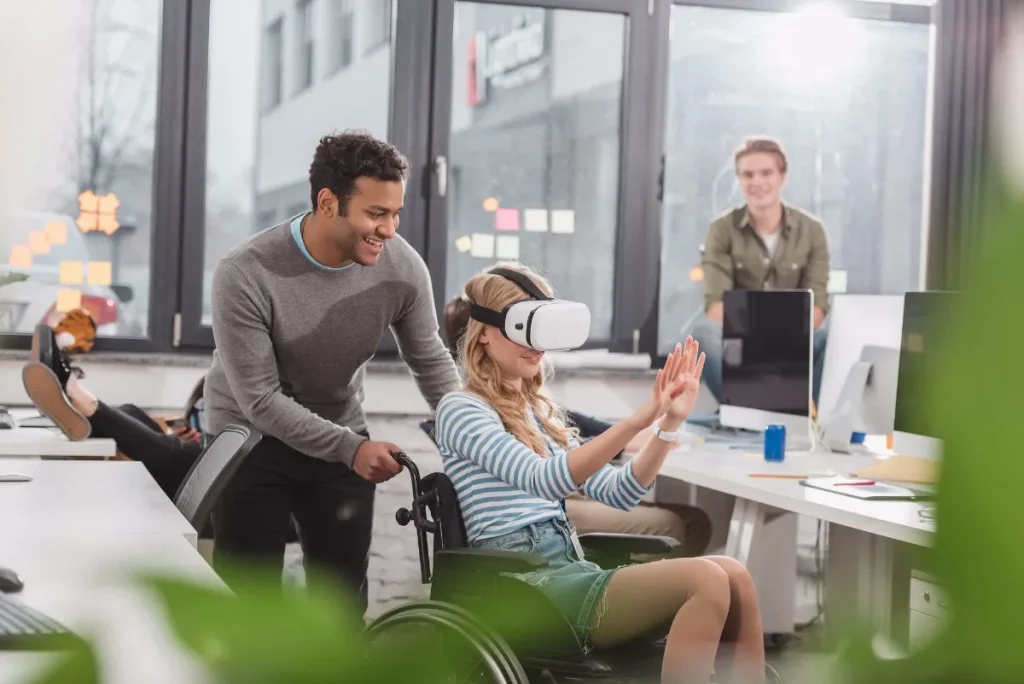
Real Estate 3D Tours Scottsdale Are Reshaping the Way Properties Are Marketed.
Visuals have always been a part of real estate to attract buyers, but lately technology ways have changed drastically how properties are presented. Most important of these changes is the use of Real Estate 3D Tours Scottsdale: these in-depth experiences allow potential buyers to check out properties in a virtual way, as if they were actually there – something that static images or videos cannot do at all. 3D tours are very helpful to agents, sellers, and buyers in terms of time-saving, openness, and participation, which are hardly achievable through any other sort of visuals.
What Are Real Estate 3D Tours?
3D tours are virtual models of houses captured by the use of special cameras and software, and are capable of being explored by the users interactively, showing the different rooms from different sides and even at the heights. The difference between video walkthroughs and 3D tours is that the latter do not have a set route, hence the viewers can decide the direction of their house tours, thus giving them more freedom and control over their time. 3D tours allow buyers to grasp real estate concepts better in terms of space, decoration, and floor plan, and thus make evaluation much easier.
Benefits for Buyers
Real Estate Photographers LLC provides buyer with unparalleled convenience. From the comfort of their own homes, they can explore properties without taking time or effort to visit each one in person, saving both time and energy by narrowing down options before scheduling in-person visits. Such a feature is very useful, especially for buyers who seek a property across the world or are out of town and cannot make the trip easily to see a house; buyers, by watching again and again tours become very informed, and at the same time their doubts get less and less, and their confidence in their choices grows.
Benefits for Sellers
3D tours are also a great source of benefits for sellers. Homes with these immersive tours are very attractive in the competitive market, and as a result, they get more attention and engagement of the audience is at a higher level. A 3D tour focusing on the unique features of a home– for instance, architectural elements or the way rooms are interconnected– that evoke the potential buyers emotionally thus leading in most cases to sales being done quicker and with higher offers; in addition, sellers profit from the fact that they have to go through fewer rounds of showing since those who have already scheduled visits are obviously interested ones.
Advantages for Real Estate Agents
Besides, the implementation of 3D technology is among the best marketing strategies that Agents have utilized to promote their professionalism and spirit of innovation, which ultimately distinguishes them from their competitors by providing up-to-date services. Moreover, 3D tours make transactions easier as purchasers who come for inspection already have a better grasp of the property due to the previous viewing. Real Estate agents could also benefit from 3D tours in that it may enable them to be present in different platforms such as websites, social media pages and email marketing campaigns where they can communicate with potential buyers, and thus more people will be aware of their services.
Technology behind 3D Tours
The process of 3D tours involves 3D cameras that take not only high-resolution images but also depth data of a place. After that, the software finds these images and merges them into a 3-dimensional model of the place to be scanned, which can be accessed easily by any user. Some platforms also offer users access to a floor plan, measurement tools, and virtual staging that make the experience more engaging and attractive. Never-ending technological improvements have transformed 3D tours from being a luxury of a few to something any property, regardless of scale or price, could adopt.
Impact on the Buying Process
The buying decision is now being made easier and quicker with the help of 3D tours, which are replacing traditional physical showings. With 3D tours, buyers can select valuable properties within less time to which they then physically show up, thus more time is saved by agents and buyers are relieved from the stress of deciding where to go next. Also, 3D tours inspire confidence in buyers, who can witness the reality rather than just over-photos of the property.
Real Estate Marketing Trends in 2025 and Beyond
Immersive and interactive experiences will lead real estate marketing to rely less and less on traditional methods. 3D tours are already paving the way for the use of virtual and augmented reality, which will make it possible for home buyers to get a much better view of properties they would like to purchase and at the same time will be a powerful tool for real estate professionals to grab the attention of buyers with which they can communicate more efficiently and in a more personalized way and who will be early users of these technologies they will have a competitive advantage not only in an increasingly digital market but in a market that is becoming more and more demanding of technology adoption.
The use of 3D tours in real estate marketing has been a game-changer in the property market, as it has helped to create a more interesting and engaging experience for buyers, sellers, and agents alike. This is achieved through 3D tours’ ability to save time, build trust, emotional engagement, and eventually faster transactions with higher profits. Furthermore, 3D tours will be an even more indispensable aspect of real estate marketing strategies to showcase properties in an attractive but, at the same time, transparent manner, with the progress of technology.
——————–
Faq’s:
What is real estate videography?
Real estate videography is the professional filming of properties to showcase their features, layout, and lifestyle appeal through engaging video content.
Why is videography important in real estate marketing?
Video captures attention, highlights property flow, and creates emotional connections with buyers, leading to faster sales and more inquiries compared to photos alone.
How do 3D tours differ from photos or videos?
Unlike static photos or guided videos, 3D tours give viewers control to move through the property at their own pace, viewing it from multiple angles.
What technology is used to create 3D tours?
Specialized cameras capture high-resolution images and depth data, which software stitches into a navigable digital model of the property.