

Real estate is one of the most visual purchases a person makes, and online, that experience starts with pictures. Before a buyer reads the price, the square footage, or a single line of description, they’ve already scrolled through the photos and started forming an opinion. Those images let potential buyers understand a property before they ever visit, shaping what they expect and whether they bother to look closer.
The influence runs deeper than most people assume, touching how much attention a listing attracts, how well buyers understand the home, how professional the listing feels, and how effectively the property markets itself across the web. At Real Estate Photographers LLC, we see this play out on every listing: the same home can read as ordinary or impressive depending entirely on its photos. This guide breaks down exactly how real estate photos affect a property listing.
How Do Real Estate Photos Affect a Property Listing?
Real estate photos affect a listing in several connected ways, all centered on how a property is perceived and understood online. The most immediate is the first impression. The image gallery is usually the first thing a buyer engages with, and it sets the tone for how they view the entire property before they’ve read anything about it.
Beyond that initial reaction, photos shape how well buyers understand the home’s layout and features. Clear real estate photos let a viewer grasp how rooms connect, how large spaces are, and what the property offers, building a mental picture they can engage with. Confusing or incomplete images leave gaps that make the home harder to evaluate.
Photos also drive the perceived quality of the listing presentation. A clean, cohesive set of property photos signals a well-managed, cared-for property, while mismatched or low-quality images make the whole listing feel careless, and that impression attaches itself to the home.
Online engagement follows from these factors, since compelling images encourage buyers to spend time exploring a listing rather than scrolling past. Finally, photos support the property’s overall marketing, traveling across every channel where the listing appears. Because real estate listing photos influence attention, understanding, presentation, and marketing all at once, they’re one of the most consequential elements of how a property performs online.

How Do Real Estate Photos Influence a Buyer’s First Impression?
A buyer’s first impression forms almost entirely from photos, which is why they carry so much weight. When someone browses listings, the images are often one of the first things they see, appearing prominently before the details load in their mind. That first photo, usually the exterior or a standout interior, does the work of introducing the property.
Strong images communicate a property’s condition and features clearly and quickly. A bright, well-composed photo tells a buyer the home is cared for and worth attention within seconds, while conveying what makes it appealing. This immediate, accurate signal is what draws buyers in and encourages them to explore the rest of the listing.
Poor images have the opposite effect, making a listing harder to understand and less inviting. A dark, cluttered, or awkwardly framed photo leaves buyers uncertain about the property and gives them a reason to move on before learning anything meaningful. First impressions are difficult to reverse once formed, so weak listing photography can cost a property attention it deserves.
Consistency across the photo set matters as much as any single image. When every photo in the gallery shares similar brightness, color, and quality, the listing feels polished and trustworthy. When images swing between bright and dim or vary in style, the gallery reads as careless, undermining the impression the property makes. Cohesive property listing images reinforce a professional first impression, while inconsistency erodes it. Because that first impression shapes everything a buyer thinks next, the photos that create it are worth getting right.
Can Real Estate Photos Help Buyers Understand a Property Better?
Real estate photos are one of the main ways buyers understand a property without visiting it, and good images make that understanding far clearer. Showing room layouts is central to this. When a photo captures a room from a useful angle, buyers can see its shape, size, and arrangement, which helps them picture how they’d use the space.
Communicating space and flow adds another layer. Images that show how one room connects to the next, how a kitchen opens to a dining area, how a hallway leads to bedrooms, give buyers a sense of how the home functions as a whole. This flow is difficult to convey in words but comes through naturally in well-composed photos, helping buyers understand the property as a connected living space rather than a list of separate rooms.
Highlighting important features helps buyers focus on what matters. Photos that emphasize an updated kitchen, a spacious living area, or a standout view direct attention to the property’s strengths, so buyers grasp its appeal quickly. Showing both interior and exterior areas gives a complete picture, covering not just the rooms but the facade, yard, and outdoor spaces that factor into a buyer’s evaluation.
Together, these give buyers a more complete visual overview of the property. A thorough, clear set of real estate photos lets buyers evaluate a home with reasonable confidence before scheduling a showing, which helps them decide whether it’s worth their time. The clearer the images, the better buyers understand what they’re considering, and that understanding is exactly what an effective listing provides.
How Do Property Photos Affect the Way a Home Is Presented Online?
The same set of property photos shapes how a home is presented across every online channel it appears on, which multiplies their importance. On MLS listings, the images are what make a property competitive against the many others buyers scroll through, since the gallery is the first thing they judge and compare.
Brokerage websites draw on the same photos to present listings professionally, and the image quality reflects on both the property and the agency showcasing it. Dedicated property websites, often built for premium listings, are structured almost entirely around photography, so the images essentially are the presentation on those sites.
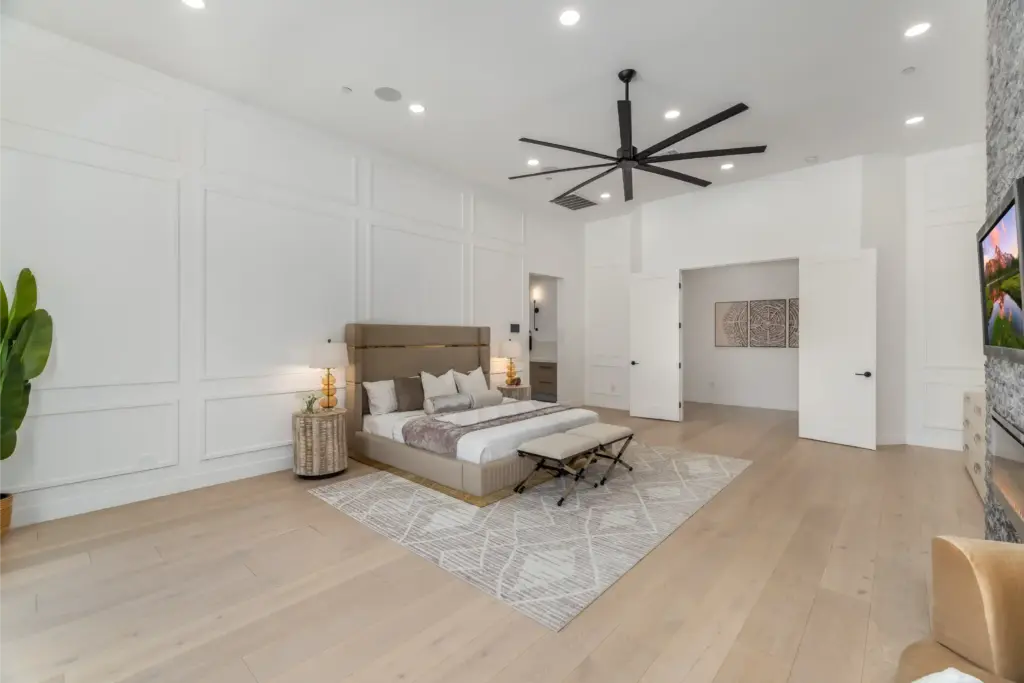
Social media relies heavily on visuals, and strong property photos are what capture attention as users scroll through their feeds. A compelling image can stop the scroll where a weak one gets passed instantly. Digital marketing, including online ads and promoted listings, depends on images to draw interest in crowded feeds where a strong photo determines whether the listing gets noticed at all.
Because one set of images travels across all these channels, the quality of the photography influences the property’s presentation everywhere buyers encounter it. Strong real estate marketing photography lifts the listing consistently, while weak images drag it down across the board. This is a large part of why MLS photography and the broader gallery matter so much: the photos aren’t confined to one place but shape how the home is perceived across the entire online landscape where buyers are looking.
What Happens When a Property Listing Has Poor Photos?
Poor photos actively work against a listing, undermining the property’s presentation in ways that are easy to avoid but costly to overlook. Dark or blurry images are among the most common problems, making rooms feel gloomy, small, or unclear when they should look bright and inviting. Buyers struggle to see the property properly, and the poor quality reflects on the home itself.
Poor composition weakens otherwise decent spaces, with awkward angles or unbalanced framing making rooms hard to read and less appealing. Inconsistent photos create a disjointed gallery, where images that vary in brightness, color, or style make the listing feel careless and unprofessional. That inconsistency alone can lower how buyers perceive a property.
Important rooms missing from the gallery leave gaps that raise questions. When a buyer can’t see a bedroom, the kitchen, or a key space, they may wonder what’s being hidden, even when nothing is, and the listing feels incomplete. Excessive clutter pulls focus away from the property and toward everyday mess, making spaces feel crowded and smaller than they are. Distracting angles, those that emphasize the wrong elements or disorient the viewer, make it harder to understand the home.
Perhaps most damaging are photos that don’t accurately represent the property. Images that mislead, whether through distortion or poor angles, set buyers up for disappointment when they visit, which erodes trust. The common thread is that poor photos harm how a listing is presented and understood. A property can be excellent, but if its images are weak, buyers may never give it the attention it deserves, which is why avoiding these issues matters so much for listing presentation.
How Do Professional Real Estate Photos Improve Listing Presentation?
Professional photos improve a listing’s presentation through a combination of skills and standards that consistently produce better images. Intentional composition is foundational, framing each room from a useful angle so its size, layout, and appeal come through clearly. Rather than simply pointing a camera, a professional presents each space deliberately for the strongest result.
Better lighting makes a substantial difference. Professionals balance natural and interior light and manage exposure so rooms look bright, warm, and inviting rather than dark or harshly lit, avoiding the murky or blown-out shots common in amateur photos. Consistent image quality ties the gallery together, with uniform brightness, color, and style across every photo giving the listing a cohesive, professional feel.
Appropriate perspectives help buyers understand each space naturally, as if standing in it, rather than straining to interpret an odd viewpoint. Professional editing refines the images further, correcting exposure and color, straightening lines, and ensuring consistency, so the delivered photos look polished and listing-ready. Clear presentation of property features ensures the elements that make a home appealing get the attention they deserve.
Together, these produce a listing that presents a property at its best. The difference between professional real estate photos and casual snapshots shows up immediately in how clean, cohesive, and appealing the gallery looks. This is where the value of professional real estate photography becomes clear, and it’s the standard we hold every shoot to at Real Estate Photographers LLC: not just capturing rooms, but presenting a property so its listing makes the strongest possible impression on the buyers evaluating it.
How Do Real Estate Photos Highlight a Property’s Best Features?
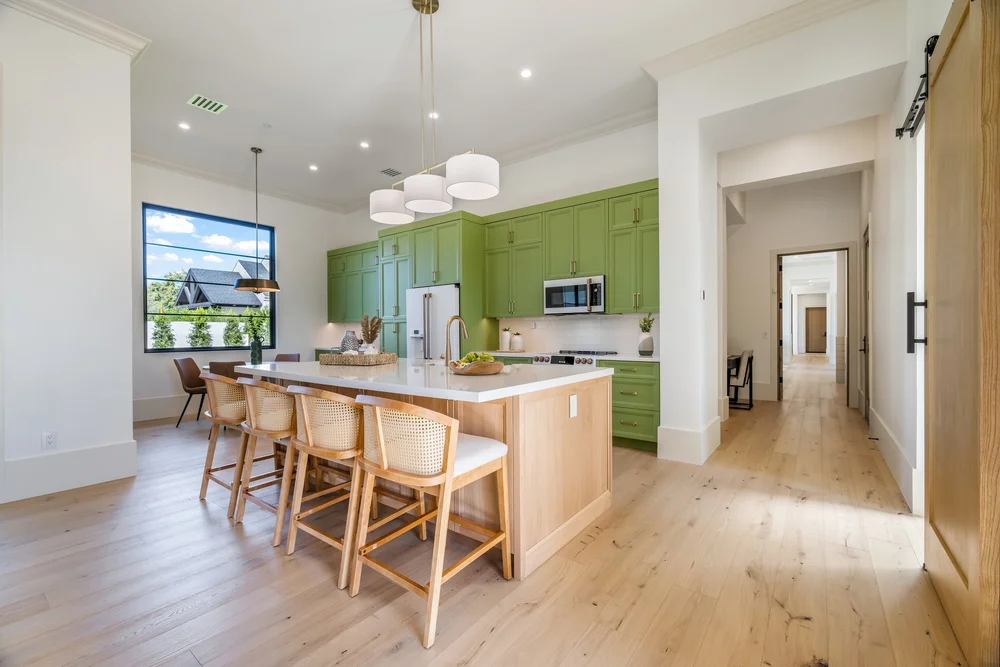
A major way real estate photos affect a listing is by drawing attention to what makes a property appealing, so its strengths register with buyers. An updated kitchen, which frequently drives buyer interest, is photographed to show off its finishes, counters, and layout at their best, so buyers immediately recognize its quality.
Large living areas are framed to convey their generous scale, making the space feel as impressive on screen as it does in person. The primary suite gets dedicated attention as a key personal space, with images that reassure buyers about the home’s comfort and appeal. Architectural details, exposed beams, custom millwork, distinctive ceilings, are captured deliberately so buyers notice the character they add rather than letting them fade into wider shots.
Outdoor spaces, patios, gardens, and entertaining areas, are shown as extensions of the living space, adding to the property’s perceived value. Views are captured to emphasize what a home overlooks, and unique amenities, whatever sets a property apart, are given their own images so they don’t go unnoticed.
The important principle is accurate highlighting rather than exaggeration. Good photography emphasizes a property’s genuine strengths at their best, which is persuasive and holds up when buyers visit. Misleading editing or angles that overstate a feature only lead to disappointment at the showing and damage trust. When real estate photos highlight real features accurately, they help buyers appreciate what the property genuinely offers, strengthening the listing honestly.
How Important Are Exterior Photos in a Property Listing?
Exterior photos carry outsized importance in a listing because they frame a buyer’s first and last impression of the property. The first exterior or hero image is often the single most important photo in the gallery, since it’s what buyers see first in search results and what decides whether they click into the listing at all. A strong hero image draws buyers in; a weak one causes them to scroll past before seeing anything else.
The front elevation deserves careful capture, shown from an angle and in light that convey the home’s shape and scale attractively. A flat, head-on shot can look lifeless, while a considered angle gives the property depth and presence. Landscaping contributes significantly, since a tidy lawn, healthy plantings, and mature trees signal a well-maintained property that buyers will find appealing.
The backyard is important to show, as outdoor space factors heavily into many buyers’ decisions, and images should present it as usable and inviting. A patio or deck is captured as an appealing extension of the living space, reinforcing the lifestyle the home offers. Outdoor amenities, a pool, an outdoor kitchen, a fire feature, are photographed to emphasize their value.
Strong exterior real estate photography rounds out the listing and reinforces the impression that the entire property is cared for. Because the exterior bookends a buyer’s experience of the gallery, from the hero image that earns the click to the outdoor shots that leave a lasting impression, these property photos play a decisive role in how a listing performs. Weak exterior images undercut the property before buyers ever see inside.
Do Real Estate Photos Affect Property Marketing Beyond MLS?
Real estate photos extend well beyond the MLS, powering a property’s marketing across many channels and multiplying the value of a single strong gallery. On social media, the same images are what capture attention and generate engagement as users scroll, since these platforms are driven almost entirely by visuals. A compelling photo can stop the scroll and prompt shares, while a weak one gets ignored.
Agent websites rely on the images to present listings professionally and to reflect well on the agent’s brand, so photo quality shapes how both the property and the agent are perceived. Email marketing uses the same photos to draw recipients into a listing, where a strong lead image determines whether someone opens and engages with the message.
Digital ads depend on images to capture attention in crowded feeds, and the strength of the photo often decides whether an ad gets noticed at all. Property landing pages, frequently built for premium or featured listings, are structured around the photography, so the images essentially carry the page’s presentation.
Because one set of photos travels across all these channels, its quality influences the property’s marketing everywhere buyers encounter it, not just on the MLS. This is where real estate marketing photography proves its broader value: the same gallery works across the entire marketing effort, giving the property a consistent, appealing presence wherever it’s promoted. Strong images pay off repeatedly across every channel, which is a large part of why they matter so much to a listing’s overall performance.
When Should a Listing Use More Than Standard Property Photos?
Standard photography serves most listings well, but certain properties benefit from additional visual media that complements the photos and strengthens the presentation. Knowing when to add it depends on the property and how it needs to be marketed.
Drone and aerial photography is valuable for large lots, notable views, and showing a property’s surroundings. Ground-level photos can’t capture the scale of extensive grounds or a home’s relationship to its setting, so aerial imagery fills that gap, giving buyers a sense of the full property from above.
Real estate video suits property storytelling and walkthroughs, adding motion and atmosphere that stills can’t fully deliver. Video gives buyers a sense of moving through a home and works well for premium listings or properties where flow and mood are selling points.
3D tours help viewers understand a layout remotely by letting them navigate the home interactively at their own pace. These are especially useful for out-of-town or remote buyers who can’t visit easily, and for complex floor plans that are hard to grasp from photos alone.
Each of these builds on a foundation of strong professional real estate photography rather than replacing it. Adding the right media where a property warrants it can make a high-value or distinctive listing stand out further and give buyers a richer understanding of the home, but photography remains the core the rest is built on.
How Can Real Estate Agents Improve the Photos Used in a Listing?
Agents can meaningfully improve their listing photos by following a few practical steps before and after a shoot. Preparing and decluttering the property is the biggest lever, since a clean, organized home lets the photos capture appealing spaces instead of everyday mess. Clearing surfaces and tidying rooms makes a visible difference in the final images.
Using appropriate photography for the property matters, matching the approach to the home’s type and price point so the listing is presented the right way. Making sure important spaces are represented ensures the gallery is complete, with every key room and feature captured so buyers aren’t left with gaps.
Reviewing image quality and consistency before a listing goes live catches problems early, dark shots, crooked lines, or images that don’t match the rest of the set. Using images that accurately showcase the property keeps the listing honest, so buyers get a fair impression the home lives up to in person. Finally, considering additional visual media where appropriate, video, drone, or a 3D tour, can strengthen listings that warrant it. Applying these steps helps ensure the real estate photos genuinely support the listing rather than working against it.
Conclusion
Real estate photos influence how a property is presented and understood across the entire online landscape where buyers search. They shape the first impression, help buyers grasp the layout and features, signal the quality of the listing, and carry the property’s presentation across the MLS, brokerage sites, social media, and digital marketing.
Good photography provides clear, consistent, and accurate visual information that lets buyers evaluate a home with confidence, while weak images can cause even an excellent property to be overlooked. Because the same gallery works everywhere a listing appears, strong photos support both the MLS listing and the broader marketing effort built around it. When you want your listing presented clearly, consistently, and at its best, the professional real estate photography from Real Estate Photographers LLC is built to give your property the strong visual foundation it needs to perform.
Frequently Asked Questions
How do real estate photos affect a property listing?
Photos shape a listing’s first impression, help buyers understand the home’s layout and features, influence how professional the listing feels, drive online engagement, and support marketing across channels. Because the gallery is usually the first thing buyers judge, real estate photos are one of the most influential elements of how a property is perceived and performs online.
Why are photos important in a real estate listing?
Listings are highly visual, and buyers form their impression largely from the images before reading any details. Photos let buyers understand a property before visiting, communicate its condition and features, and shape how appealing and professional the listing appears. Strong images draw buyers in, while weak ones cause them to move on quickly.
Can real estate photos affect a buyer’s first impression?
Significantly. Photos are often the first thing buyers see, and a strong lead image communicates a property’s appeal within seconds, while a poor one gives buyers a reason to scroll past. Consistency across the photo set reinforces a professional first impression, which is difficult to reverse once it’s formed.
How do property photos help buyers understand a home?
Photos show room layouts, communicate space and flow, highlight important features, and capture both interior and exterior areas. Together they give buyers a complete visual overview, letting them evaluate a property with reasonable confidence before visiting. The clearer and more thorough the images, the better buyers understand what the home offers.
What happens when a listing has poor photos?
Poor photos, dark, blurry, poorly composed, inconsistent, cluttered, or inaccurate, harm how a property is presented and understood. Missing important rooms leaves gaps that raise questions, and misleading images erode trust. A strong property can be overlooked simply because its images fail to present it well, which is why photo quality matters so much.
How do professional real estate photos improve a listing?
Professional photos bring intentional composition, better lighting, consistent quality, appropriate perspectives, professional editing, and clear presentation of features. Together these present a property at its best and give the listing a polished, cohesive look. The improvement over casual snapshots is immediately visible in how clean and appealing the gallery appears.
Are exterior photos important for property listings?
Very. The exterior hero image is often the most important photo in the gallery, since it’s what buyers see first and what decides whether they click into the listing. Strong images of the front elevation, landscaping, backyard, and outdoor amenities frame both the first and last impression of the property.
Can real estate photos be used for marketing outside the MLS?
Yes. The same gallery powers social media, agent websites, email marketing, digital ads, and property landing pages. Because one set of images travels across all these channels, strong photos lift a property’s presentation everywhere buyers encounter it, making quality real estate marketing photography valuable well beyond the MLS listing itself.